When United States Antimony Corporation fell into roughly the $5.00–$5.20 range after hours, AmpliAlpha continued building its position. We do not disclose the size of individual proprietary positions, but this was a high-conviction trade made with company-owned capital. We later exited at approximately $5.35.
The trade was not based on the idea that every headline was positive. It was based on a narrower question: had the market confused weaker antimony pricing with weaker underlying demand—and had it already priced in too much of the bad news?
The quarter was more complicated than the headline
UAMY's second-quarter filing did not show a quarterly loss. The company reported approximately $110,000 of net income for the three months ended June 30, while the first six months of 2026 remained loss-making because of the first quarter. That distinction matters.
The operating data mattered more to me. UAMY sold 428,425 pounds of antimony during the quarter, up 26% from a year earlier. At the same time, its average sales price fell 52% to $13.70 per pound. Revenue and gross profit were hit by price, but the physical volume moving through the business increased.
Why the government order changed the setup
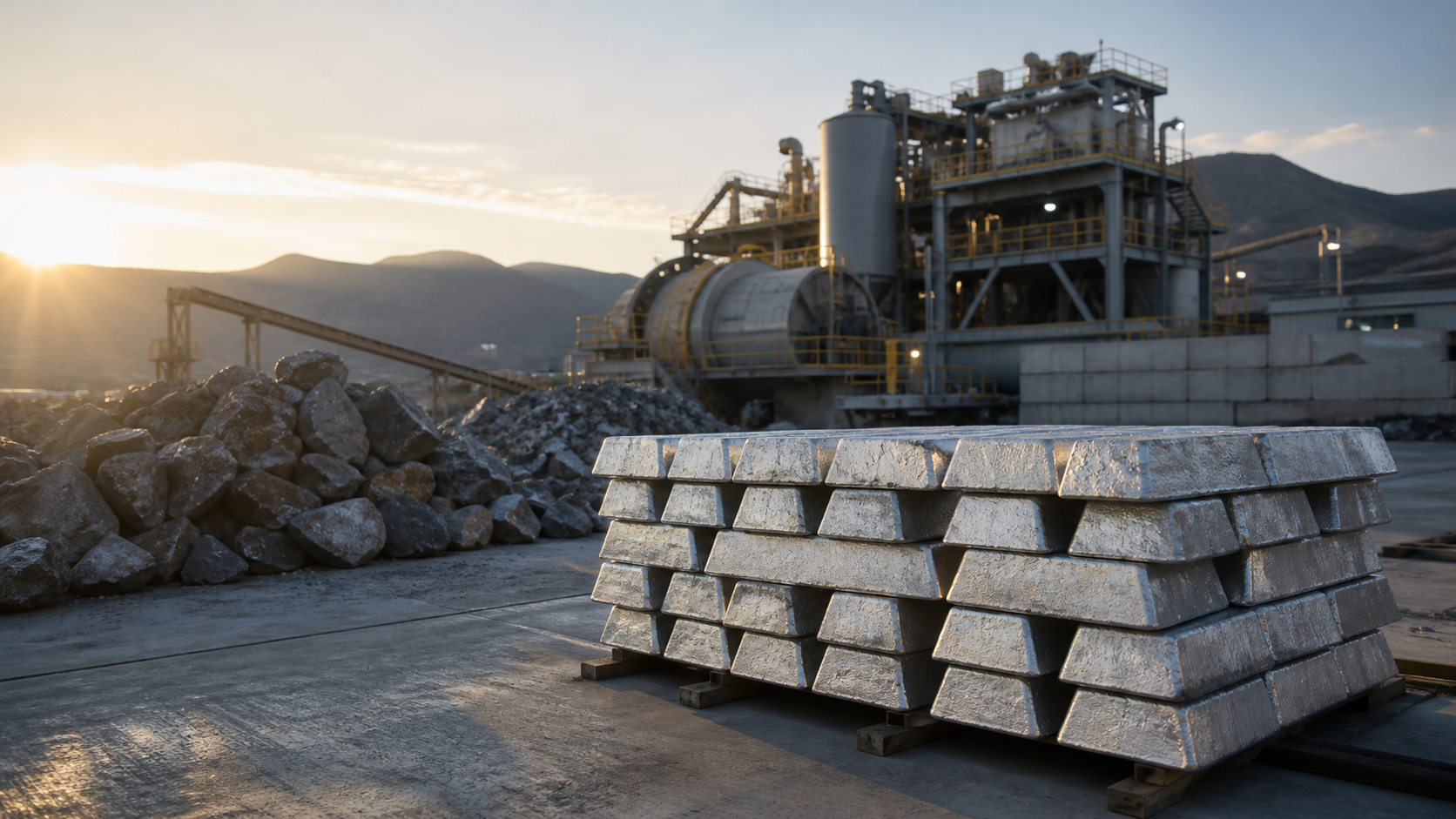
The filing also says UAMY shipped approximately 82,000 pounds of antimony metal ingots under its Defense Logistics Agency contract in June. The DLA formally accepted those shipments in July, so the related $2.6 million of revenue was not included in the second quarter and is expected to appear in third-quarter results.
That does not guarantee a profitable third quarter, and a government customer does not remove execution risk. But it is tangible evidence: product was shipped, formally accepted, and tied to identified revenue. In a strategically sensitive U.S. supply chain with relatively few domestic participants, that evidence deserved more weight than a simple reaction to the income statement.
What I believed the market had already priced in
UAMY had already spent months absorbing concerns about antimony prices, margins, spending, and execution. By the time the overnight selloff pushed the stock toward $5, those risks were not new discoveries. The question was whether incremental sellers still had new information—or were simply repeating a thesis already embedded in the price.
Institutional filings can help frame positioning, but they are delayed snapshots rather than live trading signals. I would not base a trade on whether one large fund reduced and another increased a position. I cared more about the combination of higher quarterly shipment volume, identified DLA revenue moving into the next reporting period, and the stock's reaction after the selloff.
The quantitative engine creates discipline. Founder-led judgment can still act when a public filing changes the balance of evidence.
Why this trade reflects AmpliAlpha's approach
AmpliAlpha is built around systematic research, repeatable infrastructure, and disciplined risk controls. But we are not required to pretend that every useful decision must come from a fully automated model. In rare, high-conviction situations, I can apply a discretionary overlay to the company's proprietary capital when the evidence is specific, the downside is acknowledged, and the exit is defined.
For this trade, I temporarily paused conflicting strategy exposure and made the UAMY decision directly. That is one way AmpliAlpha differs from firms that operate only through fully systematic mandates: our quantitative engine creates discipline, while founder-led judgment can act when a public filing changes the balance of evidence.
Why selling near $5.35 was still the right decision
Buying a selloff does not mean adopting an unlimited long-term forecast. We exited at approximately $5.35 because the immediate dislocation had narrowed and the market had begun to recognize the same evidence we had identified. Realized discipline mattered more than proving a larger narrative.
I still cannot rule out another decline, including a move toward the mid-$3 range if antimony prices weaken, margins remain compressed, government revenue is delayed, or execution disappoints. I remain constructive on the strategic relevance of domestic antimony supply, but a constructive industry view is not the same as a promise about the next stock price.